Curved Glass
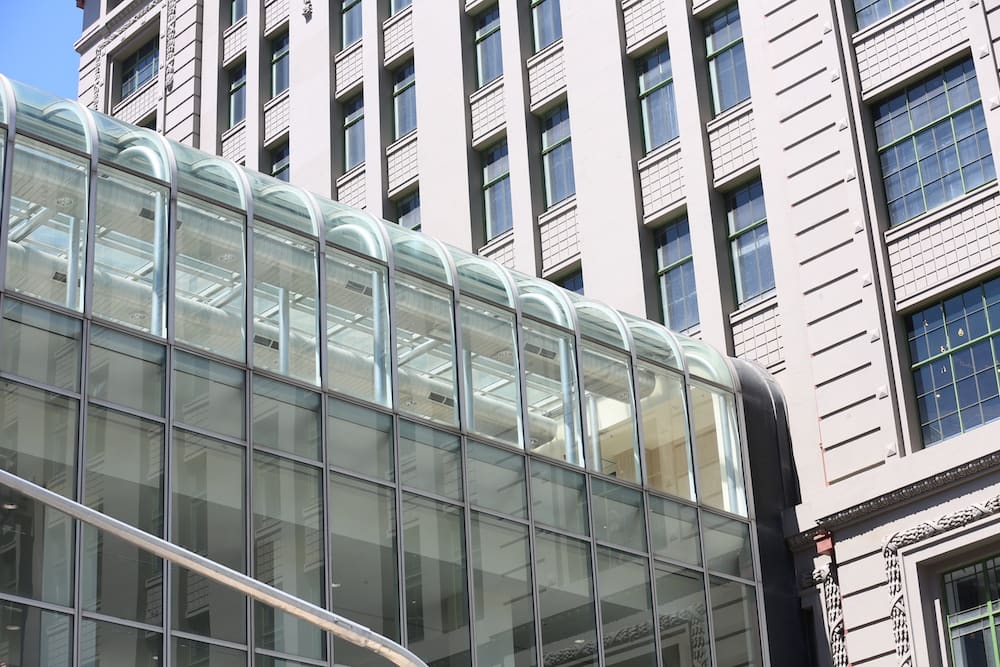
Glassform® Curved Glass
Glassform® has set the industry benchmark for curved laminated safety glass solutions for the last 30 years in respect of available shape and sizes, optical quality, laminating integrity and range of shape and performance attributes unavailable from any other source. This is a direct result of the unique in-house proprietary manufacturing capabilities and knowhow being continuously developed in response to market requirements.
Features
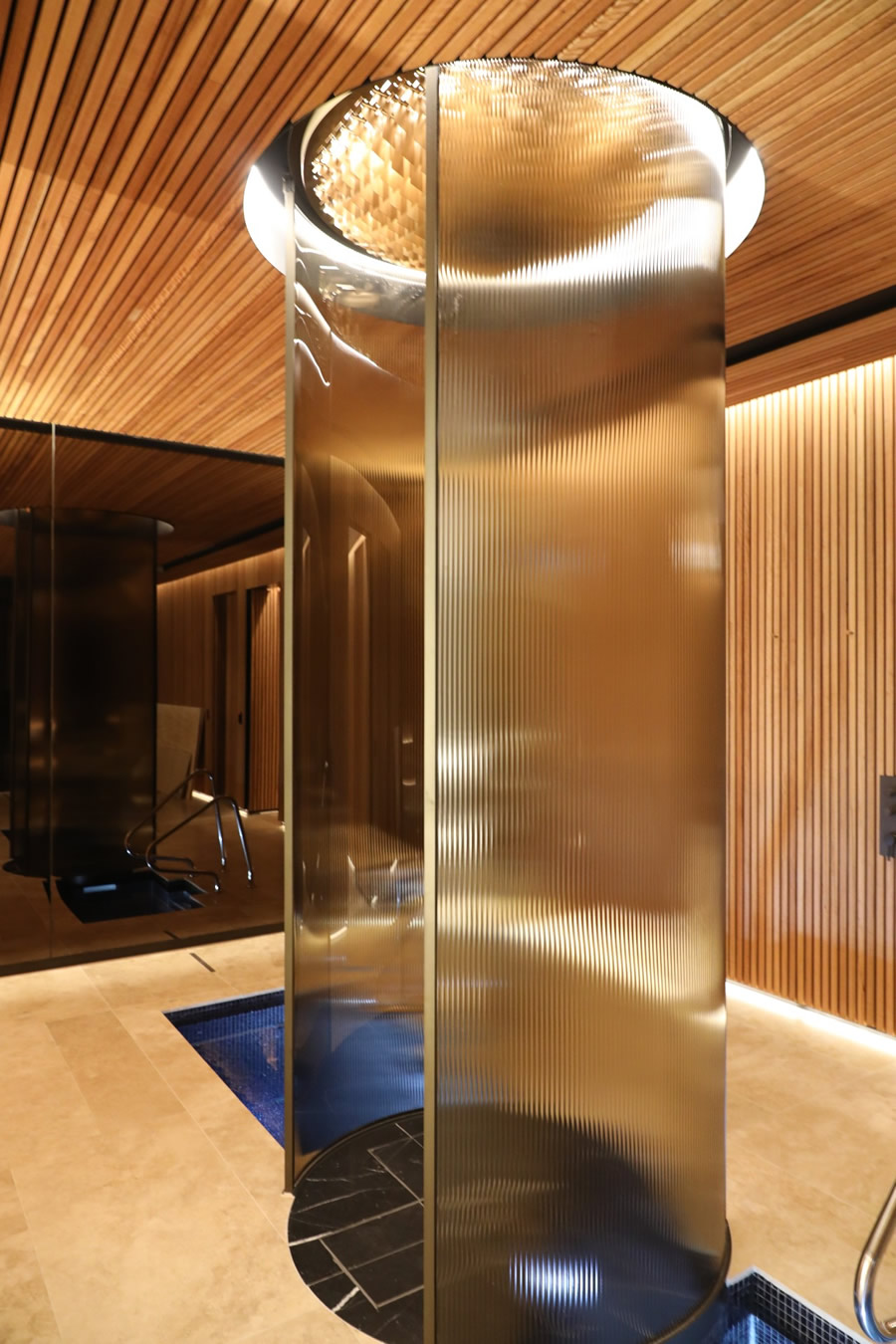
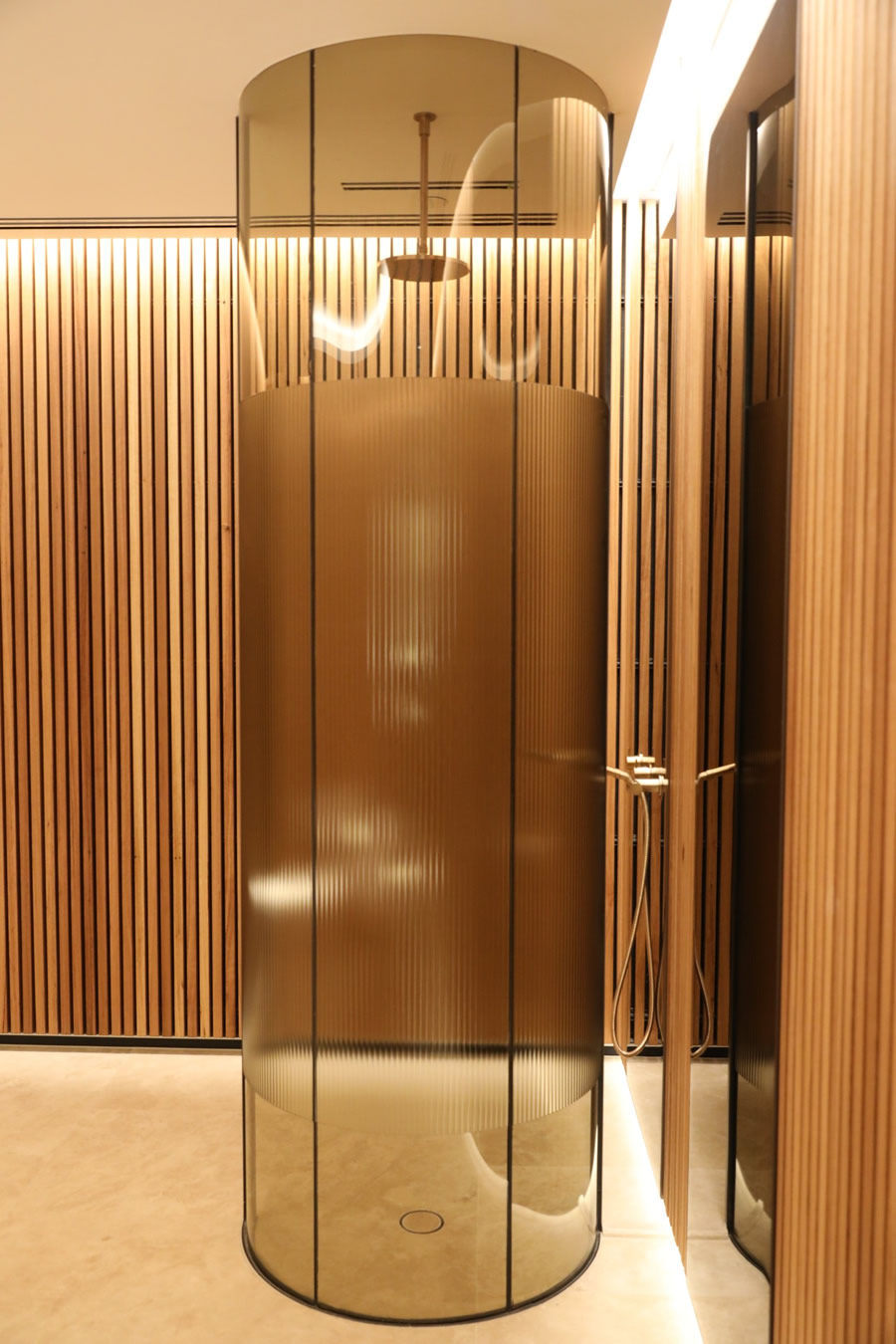
Custom manufactured to clients’ requirements for shape (including cylindrical, conical, spherical and toroidal), dimensional tolerance and freedom from optical distortion
GenuinelyCertified™ Safety Glass as specified to AS/NZS 2208, AS/NZS 2080 and corresponding International Standards
Are clean room assembled and autoclave bonded using a range of laminating interlayers to suit the application and customer requirements, including PVB (polyvinyl butyral), SentryGlass® and EVA (ethyl vinyl acetate)
Can be manufactured and GenuinelyCertified™ to conform to Australian and International Ballistic, Blast, Cyclone and Force Entry Resistant Standards such as AS/NZS 2343, ISO 16933 and AS 3555
Comes with a unique ten year lamination integrity warranty
Gallery


Attributes & Options
Can be provided as single or double glazed units (IGU) with Low E coated surfaces for enhanced U value
Can incorporate Solarguard® Solar Control to provide superior attenuation of solar radiant heat (low SHGC) while maintaining high visible light transmission
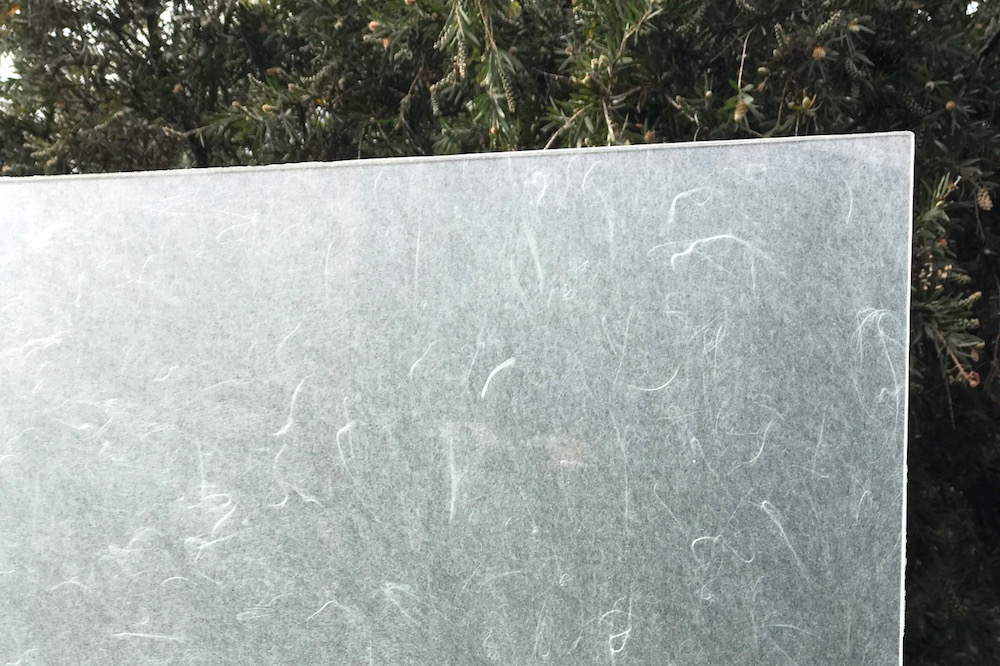
Can be supplied with genuine Japanese rice paper encapsulated, as Shoji™ laminated curved safety glass in sizes up to 4000 x 1200mm
Can be supplied Chemically Toughened (Chemtough™) for superior resistance to imposed thermal and mechanical stresses, including impact
Can be incorporate transparent heating for applications such a demisting
Can be provided with Clearview™ Anti-Reflective coatings
GenuinelyCertified™


Architectural Products
FAQs
Flat glass is heated to around 580–700°C until it softens, then shaped over a mould — either by gravity (sag bending, where it slumps into the mould) or by press bending. It's then cooled in a controlled way to ensure there is no residual stress (annealed).
Yes. It can be laminated for security and post-breakage retention, or both. It is certified to AS2208 and Z97.1.
It depends on glass thickness and whether it is monolithic or laminated. Glass with a radius as small as 50 mm has been supplied.
Substantially more — often 3–10x the cost of equivalent flat glass. Each curve typically requires a custom mould, so one-off pieces are expensive, while repeated identical panels bring per-unit cost down.
Yes, curved IGUs are common in modern facades. Both panes must be bent to matching radii, which adds cost and lead time, and the spacer/sealing process is more demanding than flat units.
Building facades and revolving door enclosures, storefronts, balustrades, skylights, shower enclosures, furniture and display cases, elevator cabs, and automotive/marine glazing.
Panels up to 4 metres high x 2400 mm girth can be supplied. Thicknesses from 3 mm to 40 mm and more are possible.
Generally there is no significant optical distortion.
Lead times are longer than flat glass — often 4–12 weeks because of set up time for each unique shape and specialized fabrication. Annealed curved glass can be cut, but this requires a high level of skill.