
Glassform® Rail Glazing
Glassform® Rail Glazing
Glassform® GenuinelyCertified™ rail glazing for windscreens, side facing and other glass is the most trusted and complete product range available as a result of the focused development of proprietary technologies not available from any other supplier to address the complex performance requirements of these applications. The reliable in full, on time, zero defect delivery of conforming product to rail fleet builders and maintainers in Australia, Europe and the USA over 25 years has made Glassform® the product of choice for discriminating purchasers.
Glassform® windscreen, side facing, intercar fire resistant, destination indicator and other specialised rail glass has been installed as Original Equipment in passenger fleets and locomotives built by Alstom, Bombardier Transportation, Siemens, UGL and Downer EDI since 1999, including outside Australia.
In addition, Glassform® supports maintenance of these fleets and other fleets of passenger trains and locomotives with unequalled capability to manufacture and promptly supply GenuinelyCertified® state of the art replacement glass solutions. This supply activity commenced in 1992, and rapidly expanded to all States of Australia, New Zealand and other export markets.
Attributes
GenuinelyCertified™
Transparency and Optical Quality
Low Haze
Product Integrity
Thinner Lighter and More Transparent
Gallery
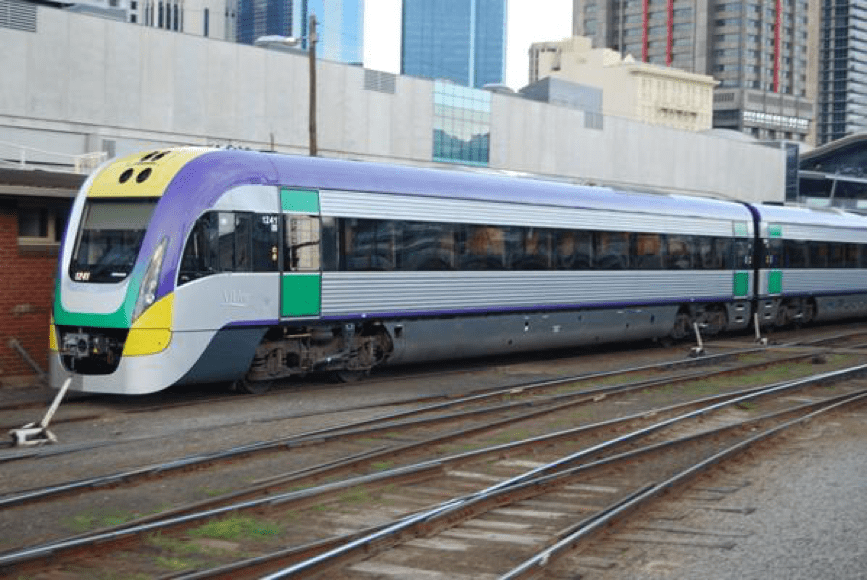
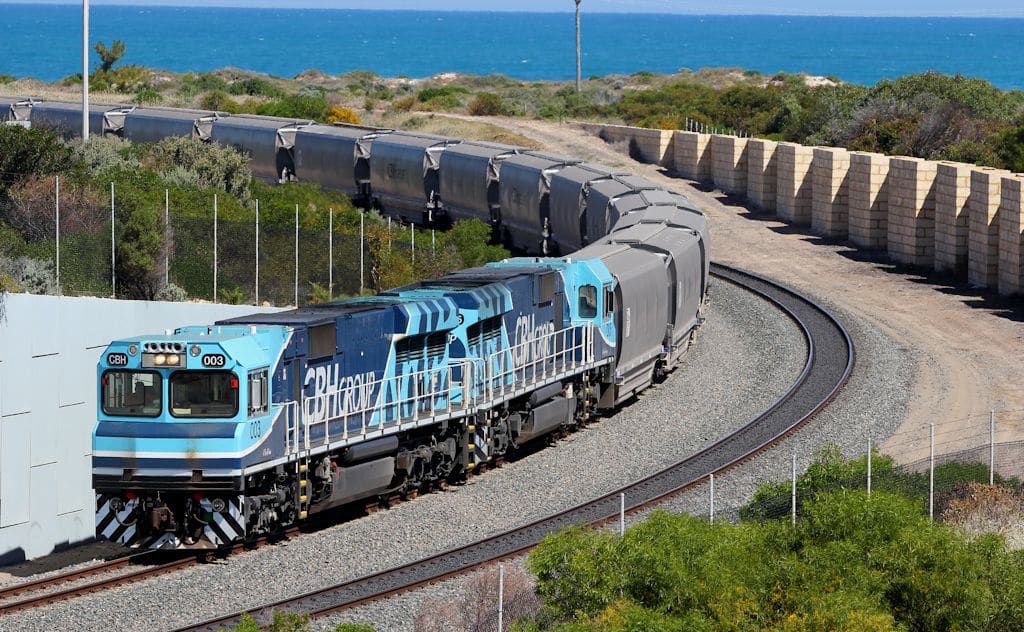

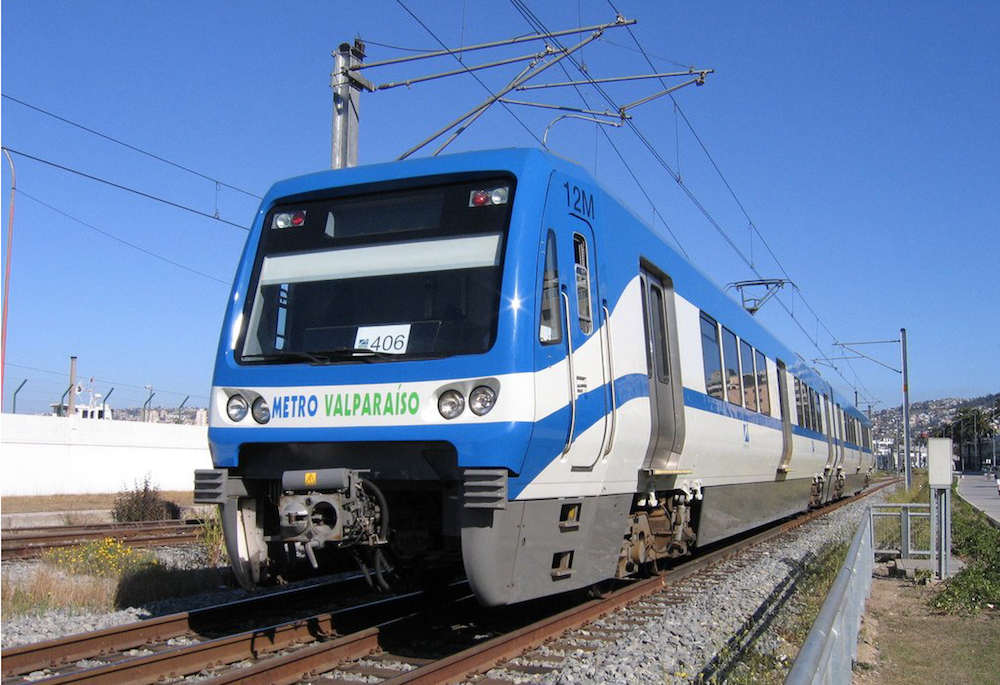
Options
ClearView™ Anti-Reflective
Can incorporate ClearView™ Anti-Reflective coatings to reduce unwanted reflections
Solar Control
Fire Resistance
Edge Banding
Directional Shading
Transparent Electrical Demisting
Flat or Curved
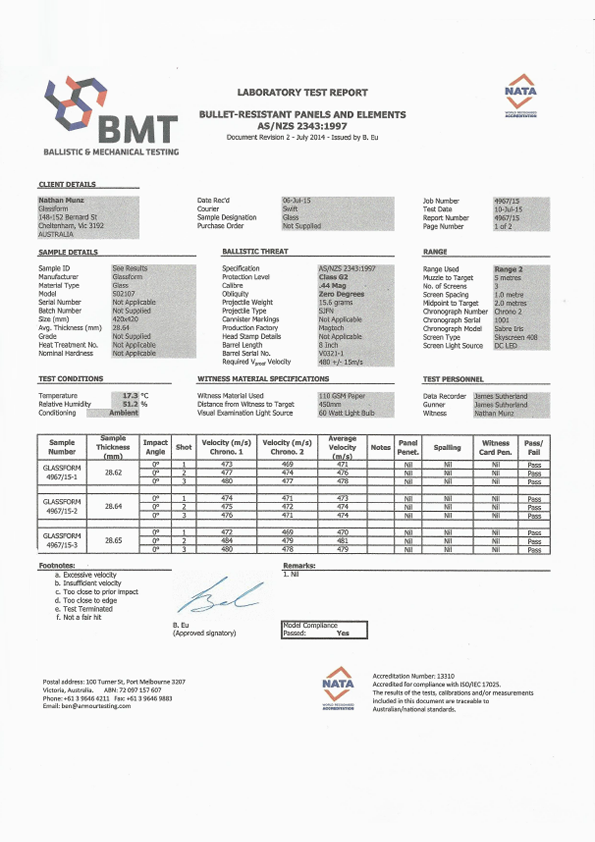
GenuinelyCertified™


FAQs
In Australia, the key ones are AS2080 and FRA regulations (49 CFR Part 223): Type I for forward-facing (windscreens) and Type II for side-facing windows, tested per APTA standards. For some fleets BRB566, EN15152 and GM/RT2100 are specified.
Forward-facing glazing is tested against high-speed projectile impact simulating thrown ballast, debris, and bird strike — e.g., EN 15152 fires an aluminium projectile at closing speeds related to the train's maximum speed, and FRA Type I testing includes a 24 lb cinder block at 44 ft/s plus ballistic impact. The windscreen must not be penetrated and must remain in place.
Windscreens are thick multi-ply laminates — typically several layers of glass (sometimes chemically or thermally strengthened) bonded with PVB or polyurethane interlayers. It never incorporates polycarbonate which has a propensity to embrittle with time and to delaminate. Side windows are usually simpler: laminated safety glass usually incorporating chemically toughened glass to satisfy impact test requirements in thinner and lighter configurations.
Almost always. Heating is done via a transparent conductive coating between plies, powered to de-ice and de-mist the screen so visibility and impact performance are maintained in winter. Heating is thermostatically controlled to prevent overheating.
Windscreens face the full closing-speed impact threat, so they're far thicker and heavier, with stringent optical requirements for the driver's vision zone. Side windows face lower-energy threats (thrown objects, vandalism), plus containment requirements — keeping passengers inside the vehicle in an accident and resisting penetration from outside.
Driver's windscreens must meet tight limits on distortion, secondary images (ghosting), light transmission, and haze in the primary vision area — critical for reading signals correctly, including signal colour recognition (no tinting that shifts reds/greens). These optical requirements are among the hardest parts of making a thick multi-ply curved heated laminate.
Two competing needs: containment (passengers must not be ejected, so laminated glass that stays in the frame is specified) and emergency egress (some windows must be breakable or removable for evacuation). Fleets typically designate specific emergency windows — laminated everywhere for containment, with marked toughened panes or removable-gasket laminated units at egress points, often with hammers or pull-tab seals.
A major operating cost. A common solution is application of sacrificial anti-vandal films.
Yes — modern rolling stock uses laminated windows which reduce solar heat gain and sometimes double-glazed side windows with low-E coatings and tinted glass or interlayers to reduce HVAC load and glare.
Glassform® windscreens and side facing glass has been installed and operating on passenger trains and locomotives for 30 years. There is no evidence that any have needed to be replaced as a result of delamination or deterioration in that time. Replacements are generally required as a result of impact or vandalism.