
Dataguard™ RFI Attenuating Glass
The elements can be configured to provide desired levels of attenuation at the specified frequency range. Standard solutions provide attenuation of 50dB to 100dB.
Installation is critical to performance, and guidance is available to achieve successful implementation.
Issues arising from water vapour ingress into the product are prevented by implementing proprietary solutions.
Dataguard™ can be used for TEMPEST rated government facilities, SCIFs (sensitive compartmentalised information facilities), hospital MRI suites and EEG rooms, EMC chambers in test laboratories, data centres and broadcast facilities. It is used defence applications and marine survey vessels to prevent interference affecting sensitive instruments.
Features, Attributes and Options.
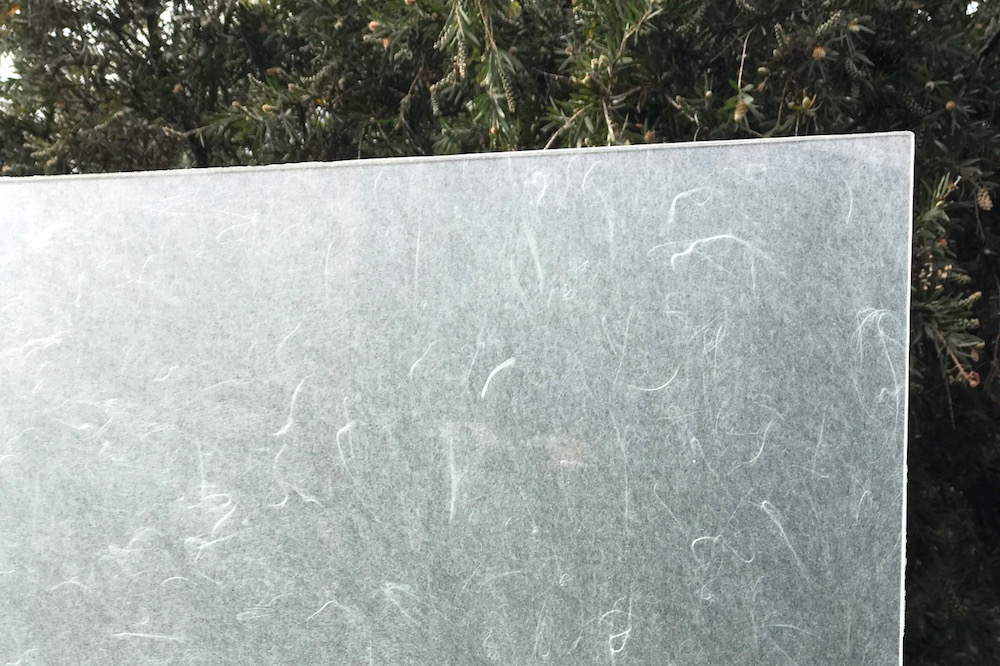
Dataguard™ is a laminated safety glass certified to AS2208 and Z97.1
Dataguard™ can be supplied integrated in forced entry security glass (Prisonguard®) and/or Glassguard® bullet or blast resistant glass.
Dataguard™ can be supplied as an insulated glass unit (IGU) and/or with integrated Solarguard® solar control to reduce sound transmission, U value and SHGC as required.
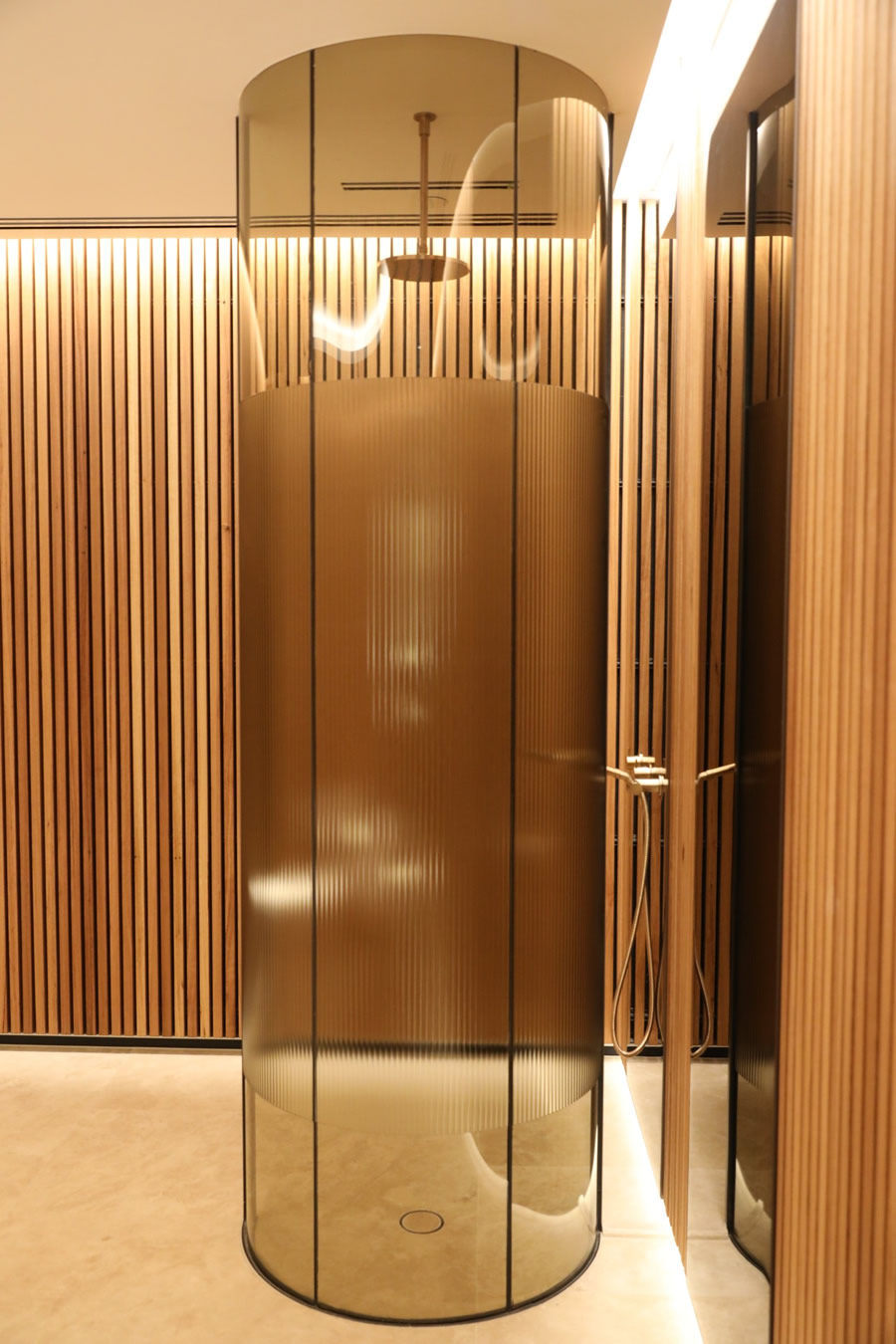
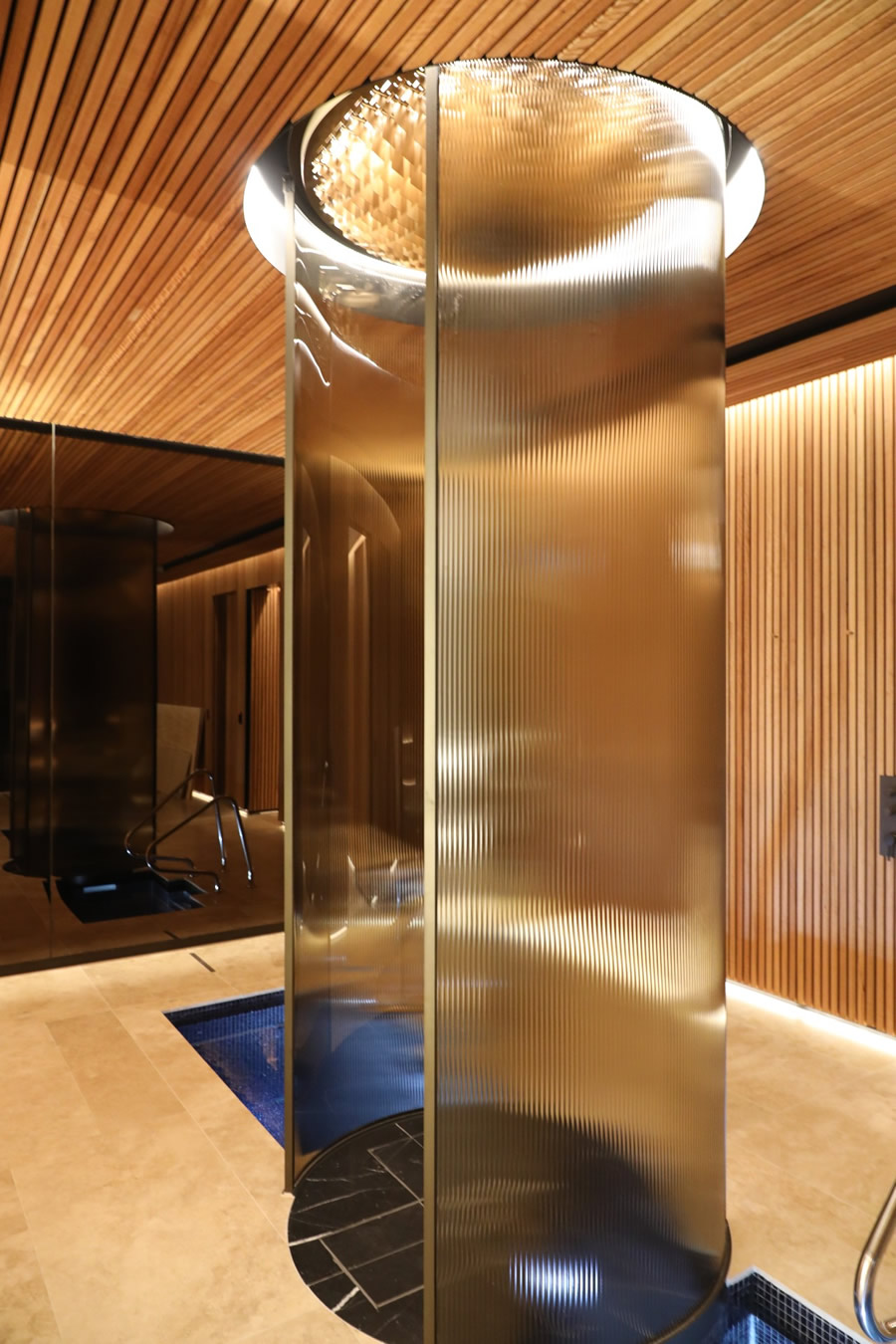
Dataguard™ can be supplied as a curved panel.
Gallery

GenuinelyCertified™


Architectural Products
FAQs
It is glazing that blocks electromagnetic interference (EMI) and radio-frequency interference (RFI) from passing through a window, so a shielded room or building can have daylight and visibility without a hole in its electromagnetic barrier.
In decibels (dB) of attenuation across a frequency range, tested per standards like IEEE 299, MIL-STD-285 (legacy), or ASTM E1851. Every 20 dB is a 10x reduction in field strength — so 60 dB blocks 99.9999% of the energy. A spec must state both the dB level and the frequency range (e.g., "60 dB from 1 MHz to 10 GHz"), because performance varies strongly with frequency.
Critically — the conductive layer in the glass is useless unless it is electrically bonded around its full perimeter to the room's shield. Shielded windows use conductive frames, gaskets, and bus bars that connect the mesh or coating edge to the surrounding RF barrier with low impedance. A perfectly good shielding glass in an ordinary frame provides almost no attenuation; the window must be treated as part of a continuous Faraday cage.
Yes — that's often the goal. Effective shielding glass (with proper frame bonding and a shielded room) blocks cellular, Wi-Fi, Bluetooth, and GPS frequencies.
Yes. Shielding glass is routinely built into insulated (double-glazed) units for thermal performance, laminated for security or blast resistance, combined with ballistic buildups, tinted or low-E coated, and fire-rated in some configurations. SCIF and embassy work commonly requires shielding + blast + forced-entry/ballistic in a single certified assembly.